CASE STUDY — Amazon
Amazon says DeepFleet will improve robotic fleet travel time by 10%.
Challenge
Amazon's fulfillment network now spans more than 300 facilities, so robot routing becomes a network optimization problem rather than a local automation task. Fast-delivery competition makes inbound identification, storage, and order processing speed central to service reliability. As mobile robots scale across the network, congestion and repetitive manual work become management issues for both throughput and safety.
AX Intervention
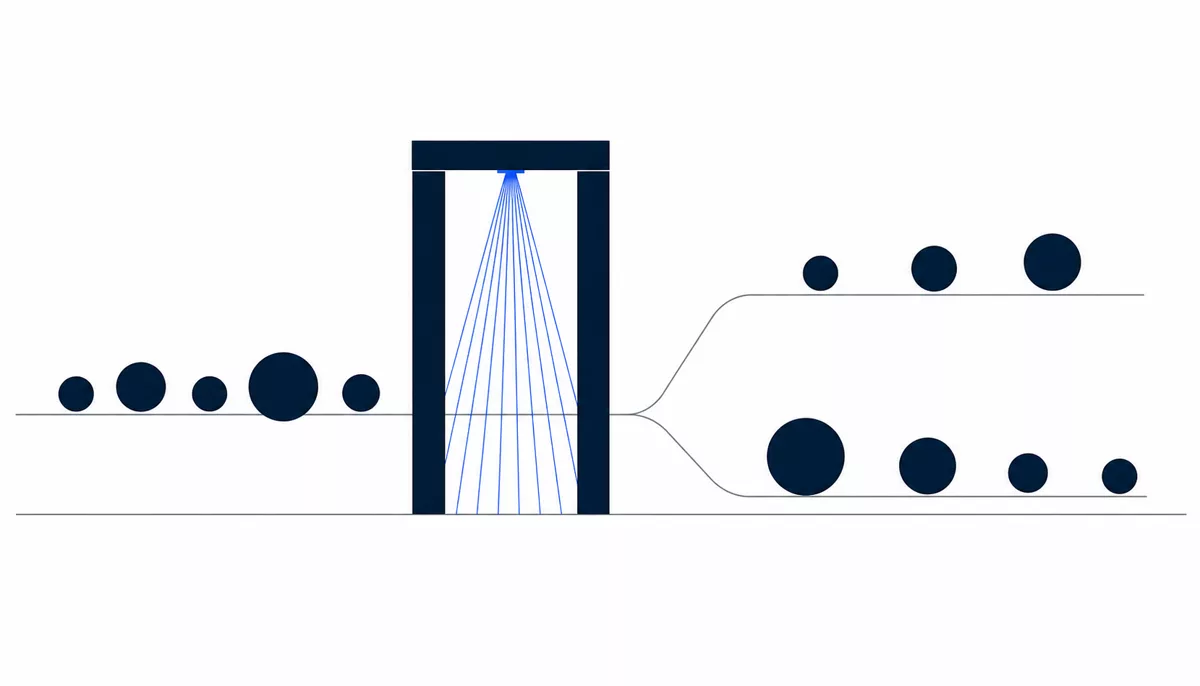
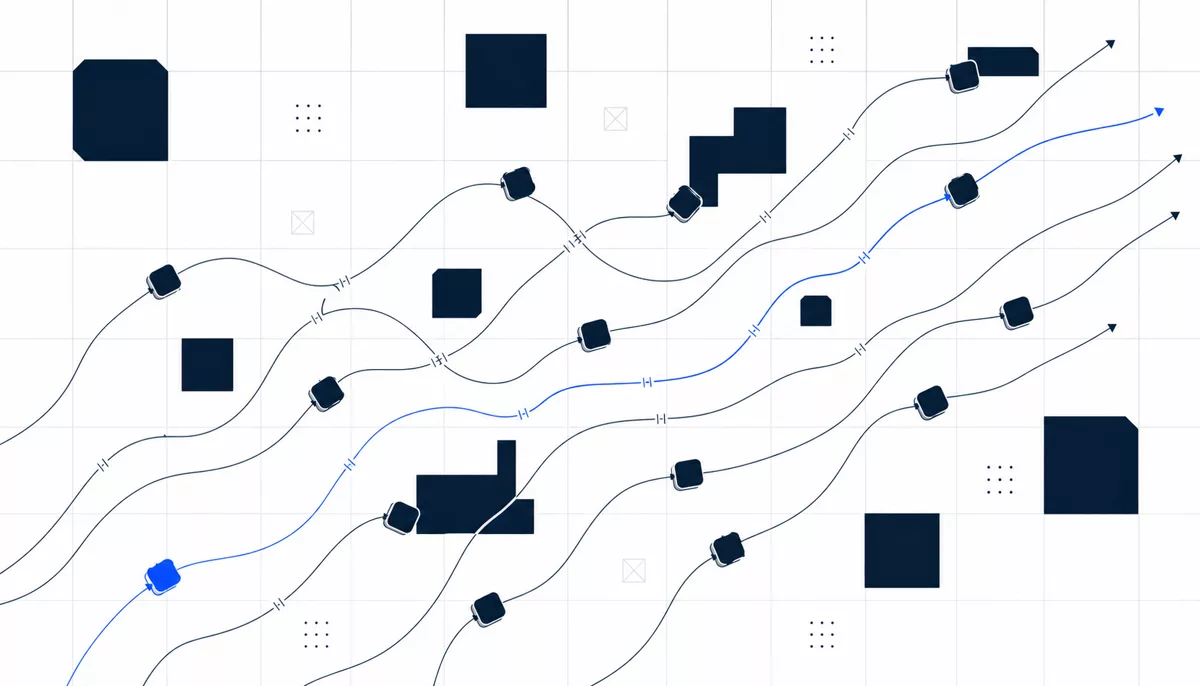
Amazon builds the robotics layer around integrated physical systems and a fleet-level AI model. Sequoia combines mobile robots, gantry, the Sparrow robotic arm, and ergonomic employee workstations to containerize inventory in totes and redesign inbound storage, picking, and order flow. Amazon says DeepFleet, a generative AI foundation model built with AWS SageMaker and trained on its warehouse and inventory data, will coordinate robot movement across the fulfillment network. The company announces DeepFleet alongside deployment of its 1 millionth robot, with the milestone unit delivered to a Japan fulfillment center.
Outcome
Amazon says DeepFleet will improve robotic fleet travel time by 10%. Its Sequoia robotic system identifies and stores incoming inventory up to 75% faster and reduces fulfillment-center order processing time by up to 25%. As of October 2023, Amazon had over 750,000 robots working with employees on highly repetitive tasks.
Company data shows that in 2022, recordable incident rates and lost-time incident rates were 15% and 18% lower, respectively, at Amazon Robotics sites than at non-robotics sites. Amazon says its robotics rollout also created 700 categories of new skilled job types that did not exist within the company before. Secondary reporting adds that, according to the company, robots already assist in roughly 75% of Amazon customer orders; TechCrunch also cites Wall Street Journal reporting that 75% of global deliveries are robot-assisted in some way.
Exhibit 1
Amazon says DeepFleet will improve robotic fleet travel time by 10%.
Improvement rate, Amazon fulfillment robotics, 2023 and 2025 company statements, percent
Applicability
- Redesign a priority bottleneck flow before buying robots; inbound inspection, putaway, and picking need a shared tote, data, and exception model.
- Build a clean WMS and inventory-event history; fleet optimization only becomes credible when location, SKU, and task data are trusted.
- Frame automation with safety and role redesign; incident tracking and reskilling paths reduce labor resistance before scaling.